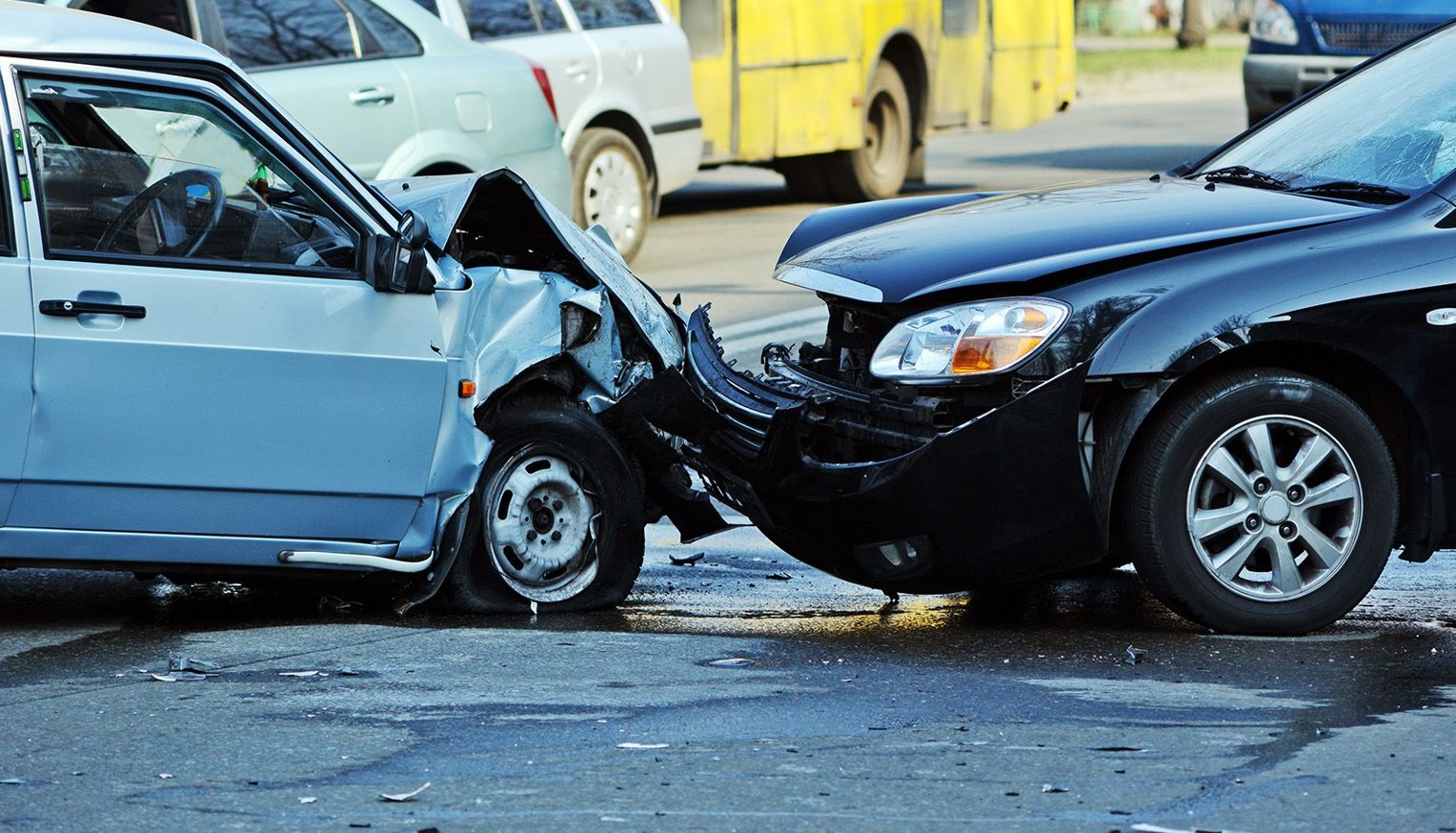
Car accidents can happen for various reasons, but one factor that often gets overlooked is the condition of the road itself. Hazardous road conditions, whether caused by poor maintenance, inadequate signage, or adverse weather, can significantly impact the likelihood of accidents and the complexity of ensuing legal claims. Understanding the role that road conditions play in car accidents is crucial for anyone involved in a collision, especially when seeking compensation. In such cases, a car accident lawyer Duluth from Kevin A. Adamson, P.C. can provide the necessary guidance to navigate these complexities and pursue a fair settlement or lawsuit.
Types of Hazardous Road Conditions
1. Potholes
Potholes are one of the most common hazardous road conditions. They can cause severe damage to vehicles, including tire blowouts, alignment issues, and even loss of control, leading to accidents. When a pothole is the direct cause of an accident, determining liability becomes critical, especially if the pothole has been neglected for an extended period.
2. Poor Signage
Proper signage is essential for safe driving, but when road signs are missing, obscured, or incorrect, they can lead to confusion and accidents. For example, missing stop signs or unclear detour directions in construction zones can cause serious collisions. Establishing that poor signage contributed to an accident is a complex process that requires detailed evidence.
3. Weather-Related Hazards
Weather conditions such as rain, snow, ice, and fog can create dangerous driving environments. While drivers are expected to exercise caution, poorly maintained roads can exacerbate these hazards. For instance, a road that is not adequately salted or cleared of snow and ice can turn into a slippery trap, leading to accidents.
4. Construction Zones
Construction zones are inherently hazardous due to the presence of workers, machinery, and altered traffic patterns. Accidents in these areas are often the result of poorly marked lanes, abrupt detours, or inadequate warnings about ongoing work. Liability in construction zone accidents can be shared between the driver, the construction company, and the municipality.
Proving Government Negligence
1. Identifying Duty of Care
The first step in proving negligence is establishing that the government entity or construction company had a duty of care to maintain safe road conditions. This involves showing that they were responsible for the upkeep and safety of the road where the accident occurred.
2. Demonstrating Breach of Duty
Once a duty of care is established, the next step is demonstrating that this duty was breached. This could involve proving that the municipality failed to repair a pothole despite multiple complaints or that a construction company neglected to put up proper signage in a work zone.
3. Causation and Damages
It is critical to prove that the accident and losses were directly caused by the breach of duty. This involves gathering evidence such as accident reports, witness statements, and expert testimony to establish a clear link between the hazardous road condition and the collision.
4. Navigating Sovereign Immunity
In some cases, government entities may claim sovereign immunity, which protects them from certain lawsuits. A skilled attorney must navigate these legal protections by identifying any exceptions or special circumstances that allow for a lawsuit to proceed.
Challenges in Gathering Evidence
1. Photographic Evidence
Photos of the accident scene, including the hazardous condition, are crucial. These images can demonstrate the severity of the road hazard and how it contributed to the accident. It’s important to capture these photos as soon as possible, as road conditions can change quickly due to repairs or weather.
2. Maintenance Records
Obtaining maintenance records from the municipality or construction company can provide insight into whether the hazardous condition was known and whether any steps were taken to address it. These records can be challenging to obtain and may require formal requests or subpoenas.
3. Witness Statements
Witnesses who saw the accident or were aware of the hazardous condition can provide valuable testimony. Their statements can help corroborate claims that the road condition was dangerous and contributed to the accident.
4. Expert Testimony
In some cases, expert testimony from civil engineers or road safety experts may be necessary to explain how the road condition directly caused the accident. This evidence can be particularly compelling in court or settlement negotiations.
Impact on Liability and Compensation
1. Shared Liability
In accidents caused by hazardous road conditions, liability may be shared between multiple parties, including the driver, municipality, and construction companies. For instance, a driver may be partially liable for not exercising due caution, while the municipality could be liable for failing to repair a known pothole.
2. Increased Compensation
If a hazardous road condition is proven to be the primary cause of an accident, it can lead to increased compensation. This is because the damages may include not only the typical costs associated with an accident (medical bills, lost wages) but also additional expenses related to vehicle repairs and potentially higher insurance premiums.
3. Challenges in Valuation
Determining the value of a claim involving hazardous road conditions can be complex. It often requires a thorough assessment of the accident’s impact on the victim’s life, including any long-term consequences of the injuries sustained.
Conclusion
Understanding the influence of road conditions on car accident claims is vital for anyone involved in a collision. Hazardous conditions like potholes, poor signage, and weather-related issues can complicate legal claims and impact compensation. Proving government negligence and navigating challenges such as evidence gathering and liability distribution requires expertise. A knowledgeable Duluth car accident lawyer can provide invaluable assistance in these complex cases. With their help, you can effectively address the role of road conditions in your claim, ensuring a thorough investigation and a fair settlement or lawsuit outcome. Trusting a skilled lawyer can significantly impact your pursuit of justice.