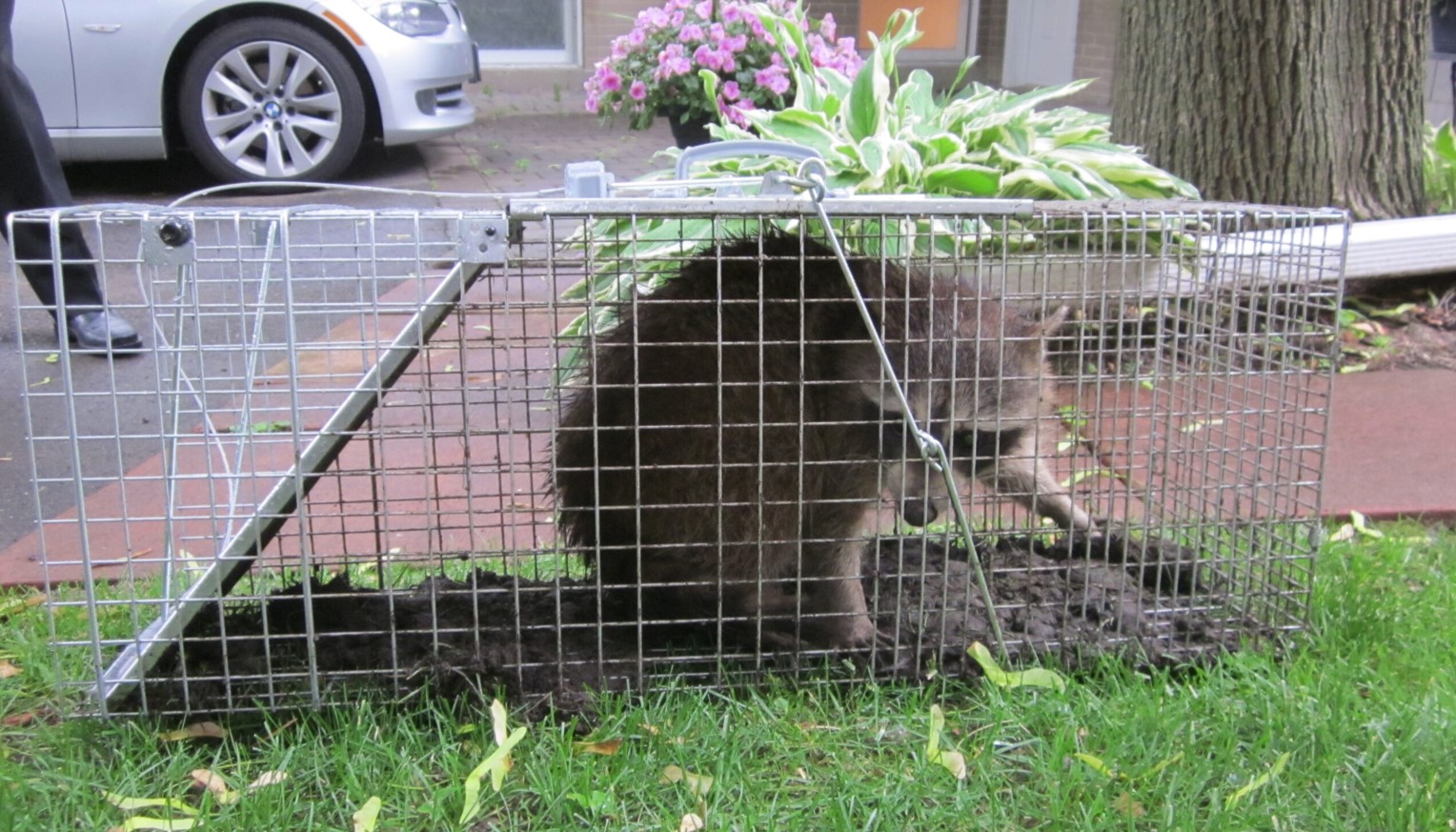
When homeowners encounter unwelcome wildlife in their attics, basements, or yards, the initial reaction might be to handle the problem themselves. While DIY approaches can seem cost-effective and straightforward, they often come with significant risks and dangers. The complexities of wildlife removal are frequently underestimated, leading to health hazards, inefficacy, and legal consequences. For those facing wildlife issues, professional animal removal Dallas services such as Trapping USA Animal Removal & Pest Control provide safer, more effective solutions. This article delves into the primary dangers associated with DIY wildlife removal, emphasizing why it’s best left to the experts.
Health Risks
Wildlife removal is not just a simple matter of trapping an animal and releasing it far from home. It comes with serious health risks that can jeopardize the well-being of individuals attempting the removal.
1. Exposure to Diseases
Wildlife can carry serious diseases that pose significant health risks. Rabies, transmitted through bites or scratches, is a potentially fatal viral infection often found in mammals like raccoons and bats. Histoplasmosis, from inhaling fungal spores in droppings, can cause severe respiratory issues and long-term lung damage.
2. Physical Injury
Handling wild animals can lead to physical injuries such as bites, scratches, and scratches, which may cause severe pain and infection. Animals like raccoons and opossums can become aggressive when threatened, leading to wounds that require medical treatment. Proper safety measures and protective gear are crucial during wildlife removal.
3. Allergic Reactions
Wildlife droppings, fur, and dander can trigger allergic reactions in susceptible individuals. These allergens can worsen asthma, cause respiratory problems, and lead to chronic health issues. Exposure to these irritants, especially in confined spaces, can exacerbate allergies and pose long-term health risks.
Ineffectiveness
DIY wildlife removal efforts often fall short of addressing the problem fully. Without proper knowledge and equipment, the chances of ineffective removal increase, leading to a range of issues.
1. Incomplete Removal
DIY wildlife removal often lacks the expertise needed to fully resolve infestations. Homeowners may miss crucial details, like hidden nests or multiple entry points. This oversight can leave pests behind, including young or hidden nests, perpetuating the problem. Professional services ensure thorough inspections and complete removal to prevent ongoing issues.
2. Increased Aggression
Improper handling of wild animals during DIY removal can provoke aggression. Animals feeling cornered or threatened may react defensively, increasing the risk of bites or scratches. Such aggressive behavior poses safety risks to homeowners and can escalate the problem. Professionals use safe, humane methods to minimize risks and manage wildlife effectively.
3. Repeat Intrusions
DIY efforts often fail to address all attractants and secure every entry point, leading to repeated wildlife invasions. Animals can return if their entryways are not completely sealed or if food sources are not managed. Professionals not only remove existing pests but also fortify homes against future intrusions by eliminating attractants and securing entry points.
4. Damage to Property
DIY wildlife removal can inadvertently cause damage to property. Homeowners may attempt to force entry into hidden nests or block access points improperly, leading to structural damage, such as broken vents or chewed wires. Professional services are equipped to handle these situations carefully, preventing further damage and ensuring the property remains intact.
Legal Issues
Many people are unaware that there are legal considerations when it comes to wildlife removal. Improper handling of wildlife can lead to significant legal repercussions.
1. Regulations on Handling Certain Species
Handling wildlife involves adhering to regulations that protect certain species due to their ecological importance or endangered status. For example, in many areas, bats and certain birds are protected by law, requiring permits for relocation. Unauthorized removal can lead to legal issues, emphasizing the need for professional assistance to ensure compliance.
2. Potential Fines
Improper handling or harm to protected wildlife species can result in substantial fines. Homeowners who attempt DIY removal may inadvertently violate wildlife protection laws, leading to significant financial penalties. These fines are imposed to discourage illegal practices and ensure wildlife is handled according to legal and environmental guidelines.
3. Ethical Considerations
Ethical considerations in wildlife removal focus on the humane treatment of animals. Professionals are trained to handle wildlife in ways that minimize stress and avoid harm. This ethical approach ensures that removal processes are not only legally compliant but also respect the well-being of the animals involved, promoting humane practices.
Conclusion
The dangers of DIY wildlife removal far outweigh any perceived benefits. Health risks, inefficacy, and potential legal issues make it a precarious undertaking for untrained individuals. Professional wildlife removal Dallas services like Trapping USA Animal Removal & Pest Control offer comprehensive solutions that prioritize safety, effectiveness, and legal compliance. By choosing professional wildlife removal, homeowners can ensure that the problem is addressed thoroughly and humanely, protecting both their property and their health.
When dealing with wildlife intrusions, it’s always best to seek the expertise of professionals who have the knowledge, tools, and experience to handle the situation safely and effectively.