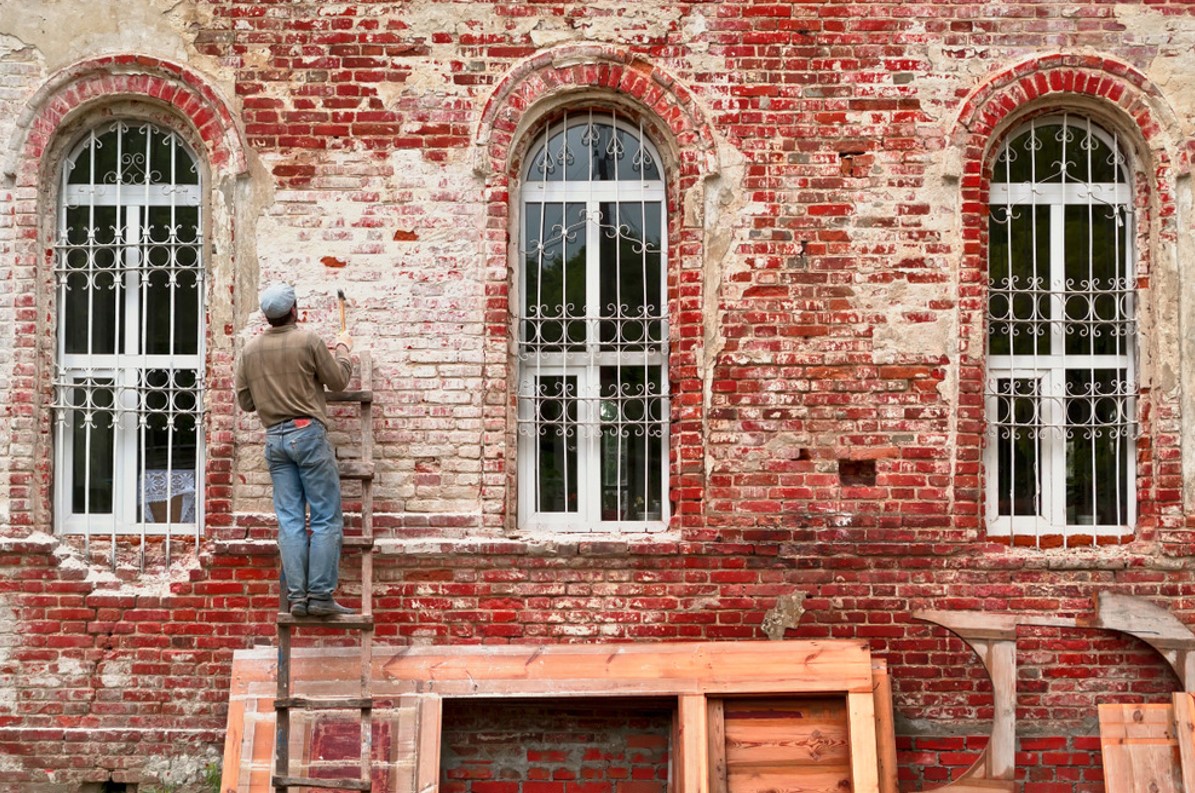
Maintaining the integrity of historic buildings is a delicate balance of preservation and protection. Pest management is an important but sometimes disregarded component. Coquitlam pest control for historic structures requires a specialized approach that respects the architectural and cultural significance of these properties. Pests can cause severe damage, compromising both the structural integrity and historical value of these buildings. Therefore, a comprehensive pest control strategy tailored to the unique needs of historic buildings is essential for their preservation. This post explores the challenges and effective methods of pest control in historic buildings to ensure their longevity.
Unique Challenges of Pest Control in Historic Buildings
Historic buildings present unique challenges for pest control due to their age, design, and materials. For efficient pest management, it is necessary to understand these challenges.
1. Structural Vulnerabilities
Historic buildings often have structural vulnerabilities that pests can exploit. Older construction techniques and materials may have deteriorated over time, creating easy entry points for pests. Cracks in foundations, gaps in walls, and decayed wood are common issues. Addressing these vulnerabilities requires a thorough understanding of the building’s construction and careful restoration to prevent further damage.
2. Limited Access to Certain Areas
Many historic buildings have areas that are difficult to access, such as attics, basements, and crawl spaces. These areas can harbor pests, making it challenging to inspect and treat them. Pest control professionals need to use specialized equipment and techniques to reach and treat these hidden spaces without causing damage to the building’s structure or aesthetics.
3. Sensitivity of Materials and Finishes
The materials and finishes used in historic buildings are often sensitive and require special care. Harsh chemicals and invasive treatment methods can damage delicate plaster, wood, and textiles. Therefore, pest control in historic buildings must prioritize non-invasive and preservation-friendly methods to protect these sensitive materials while effectively managing pests.
At Pezz Pest Control, we provide a comprehensive range of plans to meet all your needs for pest control St Charles MO property owners can expect.
Common Pests Affecting Historic Properties
Historic properties are susceptible to various pests that can cause significant damage. Identifying and understanding these pests is the first step in effective pest management.
1. Wood-boring Insects
Wood-boring insects, such as termites and beetles, pose a significant threat to historic buildings. These pests can weaken wooden structures, leading to severe structural damage. Regular inspections and early detection are crucial for preventing extensive damage. Treatment methods should focus on preserving the wood’s integrity while eliminating the pests.
2. Rodents
Rodents, including rats and mice, are common in historic buildings. They can gnaw on wood, electrical wiring, and insulation, causing structural and fire hazards. Rodents also carry diseases that can be harmful to humans. Effective rodent control involves sealing entry points, setting traps, and maintaining cleanliness to reduce food sources.
3. Bats and Birds
Bats and birds often seek shelter in the attics and eaves of historic buildings. Their droppings can cause health hazards and damage materials. Exclusion techniques, such as installing netting or screens, can prevent these animals from entering buildings without harming them.
Integrated Pest Management (IPM) for Historic Buildings
An all-encompassing method of pest management, Integrated Pest Management (IPM) emphasizes chemical reduction and long-term prevention. IPM is particularly suitable for historic buildings due to its emphasis on preservation.
1. Regular Inspections and Monitoring
An integral part of integrated pest management is routine monitoring and inspections. Frequent inspections help detect pest activity early, allowing for prompt and targeted interventions. Monitoring devices, such as pheromone traps and motion sensors, can provide valuable data on pest populations and movement within the building.
2. Non-invasive Treatment Methods
Non-invasive treatment methods are preferred in historic buildings to avoid damaging sensitive materials. These methods include heat treatments, freezing, and the use of desiccant dust. Heat treatments involve raising the temperature to levels lethal to pests, while freezing involves exposing pests to sub-zero temperatures. Desiccant dusts dehydrate and kill pests without leaving harmful residues.
3. Preservation-friendly Exclusion Techniques
Exclusion techniques prevent pests from entering the building while preserving its aesthetic and structural integrity. These techniques include sealing cracks and gaps, installing door sweeps, and using fine mesh screens. Preservation-friendly exclusion techniques ensure that the building’s historical features remain intact while keeping pests out.
Tips for Owners and Caretakers of Historic Buildings
Owners and caretakers of historic buildings play a crucial role in pest management. Implementing proactive measures can help prevent pest infestations and protect the building’s integrity.
1. Routine Maintenance and Repairs
Regular maintenance and timely repairs are vital for preventing pest infestations. Addressing structural vulnerabilities, such as repairing cracks and replacing decayed wood, can reduce entry points for pests. Maintaining cleanliness and proper waste management also helps eliminate food sources that attract pests.
2. Educating Staff and Visitors
Educating staff and visitors about the importance of pest control and preservation can enhance pest management efforts. Training staff to recognize signs of pest activity and report issues promptly can lead to early detection and intervention. Informing visitors about pest prevention measures can also help reduce the risk of infestations.
3. Long-term Pest Prevention Strategies
Developing and implementing long-term pest prevention strategies is essential for the ongoing protection of historic buildings. These strategies may include regular inspections, routine maintenance, and collaboration with pest control professionals, such as those from Seaside Pest Control, who specialize in historic properties. Establishing a comprehensive pest management plan ensures that the building remains protected for future generations.
Conclusion
Protecting historic buildings from pests requires a specialized approach that balances preservation with effective pest control. By addressing unique challenges, identifying common pests, and implementing Integrated Pest Management (IPM) strategies, owners and caretakers can safeguard these valuable structures. Routine maintenance, education, and long-term prevention strategies play a crucial role in maintaining the integrity of historic buildings. For professional assistance, seeking an experienced exterminator Vancouver BC, like someone from Seaside Pest Control, ensures that historic properties receive the care and protection they need to remain preserved for future generations.

Sebastian is an accomplished author with a passion for storytelling. His works span various genres, from thrilling mysteries to heartfelt romance novels. With a keen eye for detail and a knack for character development, Sebastian weaves engaging narratives that captivate readers and transport them to new worlds.